
Module 3.3
Forest Cover Manipulation Strategies
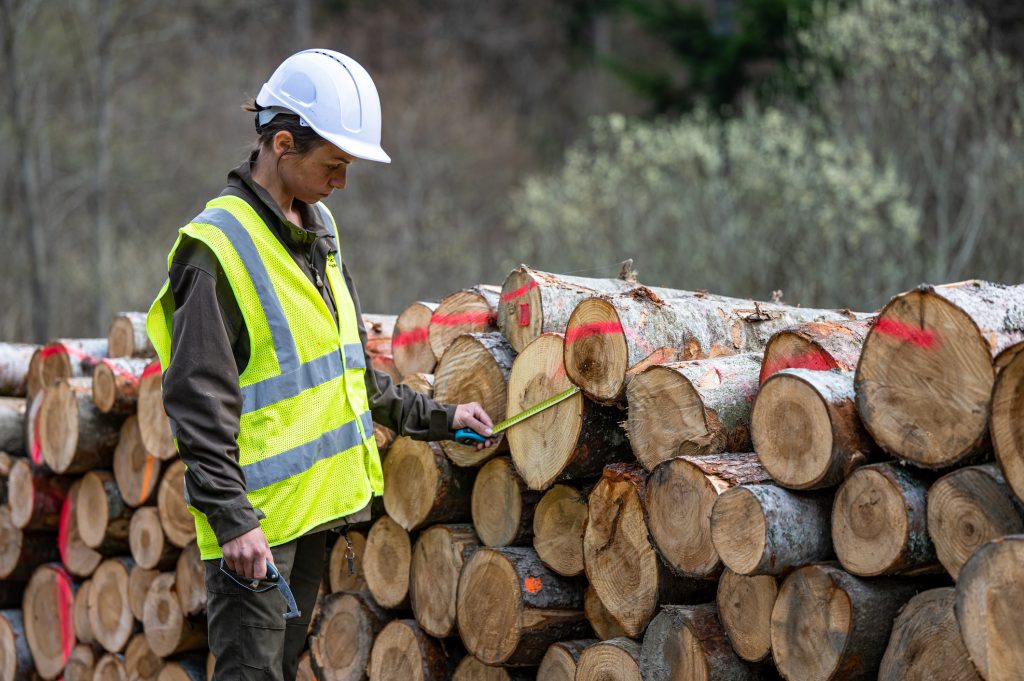
Participants will be shown how to analyze and apply a range of forest cover manipulation strategies that effective achieve a given set of objectives while minimizing negative impacts on other values. The course consists of online lectures, group forums, quizzes and a culminating assignment for the Module (DC). The participant must pass the quizzes for all lecture material before doing the culminating assignment The culminating assignment will be submitted to the course instructors for assessment. Once the participant has successfully passed the online forums, quizzes and culminating assignment, the DC will be awarded.
Module Objectives
- Describe a forest cover manipulation strategy that emphasizes commercial extractions as the management objective.
- Describe a forest cover manipulation strategy that emphasizes management objectives that are non-extractive.
Module Schedule
This course involves a combination of recorded lectures, readings, assignments and participation in semi-synchronous online discussion forums and synchronous tutorials with instructors and other participants over a 3-week period.
See course content below to get started!
Course Content
Getting Started
Getting Started
-

Getting Started
Welcome to Module 3.3
Introduction
Introduction
-

Introduction
Forest Cover Manipulation Strategies
Outline
Outline
-
Outline
Lesson 1: Cover Manipulation at the Stand Level
Lesson 1: Cover Manipulation at the Stand Level
-
Lecture: Cover Manipulation at the Stand Level
Silviculture definitions, Even-aged silviculture methods, Uneven-aged silviculture methods, Silvicutlure for timber and non-timber values, Resources
-

Readings
-
Lesson 1 Quiz
Lesson 2: Cover Manipulation at the Forest Level Models in Forest Planning
Lesson 2: Cover Manipulation at the Forest Level Models in Forest Planning
-
Lecture: Cover Manipulation at the Forest Level Models in forest planning
Timber regulation definitions, Area vs. volume control, Regulating deficit and surplus forests, Strategies to increase timber yield, Landscape planning for caribou habitat, Forest management for climate change mitigation
-
Readings
-
Lesson 2 Quiz
Lesson 3: Wildlife Habitat Planning
Lesson 3: Wildlife Habitat Planning
-
Lecture: Wildlife Habitat Planning
Why we plan for wildlife habitat as a forest value, How to represent habitat, Defining habitat needs, Focal species, Developing habitat targets, Habitat planning for Ontario: Past Approach, Habitat planning at the landscape scale, Simulating natural ecosystem
-
Lesson 3 Quiz
Culminating Assignment
Culminating Assignment
-

Culminating Assignment Introduction
Watch the Loch Lomond Introduction Video. Now that you have been introduced to the Loch Lomond Forest Co-op and the decision model created, you will now have the opportunity to interact and select your harvest management strategies, run scenarios and assess results.
-
Culminating Assignment